Suli’s Diamond
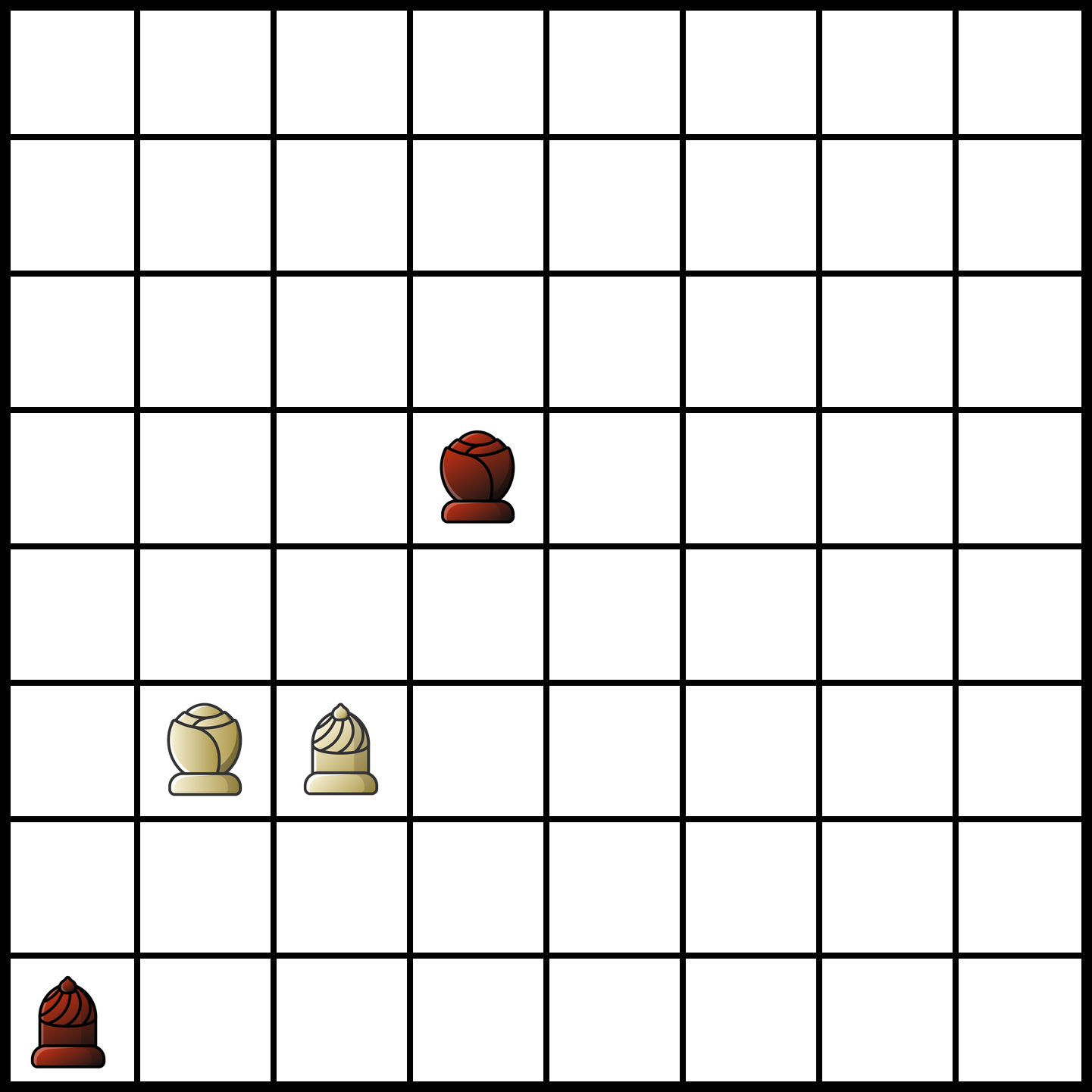
Canonical position
The classic four-piece shatranj study associated with as-Suli. White must capture the black ferz on a1 without losing the white ferz to a counterattack.8/8/8/3k4/8/1KQ5/8/q7 w

Suli’s Diamond is a four-piece endgame from shatranj, the historical form of chess. Each side has a shah and a ferz. The shah moves like the modern king. The ferz, or vizier, moves only one square diagonally.
White’s task is to capture Black’s cornered ferz without allowing Black’s shah to capture White’s ferz in return. The position looks simple, but its solution requires opposition, triangulation, zugzwang, corresponding squares, and a shouldering race maneuver or shahs across the board.
This position is ancient old, yet neither al-‘Adli nor any one else has said whether it is drawn or can be won. Nor has any one interpreted it, or pointed (diagrammed) it because of its difficulty. There is no one on earth who has solved it unless he was taught it by me. I have never learnt that there was any one before; for if any one had solved it, he would either have written down the solution, or have taught it to some one else. This is the word of As-Suli. (9th century)
8/8/8/3k4/8/1KQ5/8/q7 w
Start with the video to understand why this small four-piece position became one of the great mysteries of chess history. The lecture follows Suli’s Diamond from the Abbasid world to the Istanbul and Cairo manuscript tradition, then through von der Linde, Murray, Averbakh, Beasley, Hans Ree, John Tromp, and the new Suli-Karatekin reverse-ferz discoveries.
Use this chapter guide to navigate the main historical and technical sections of the video before exploring the full family of related positions.
Suli’s Diamond is more than a historical curiosity. It is a bridge between cultural heritage and artificial intelligence. In the shatranj.ai curriculum, students can study the puzzle historically, then learn how dynamic programming, retrograde analysis, and endgame tablebases can verify solutions that challenge even expert human intuition.
After watching the story of Suli’s Diamond, you can explore the actual positions behind the video. The original puzzle is now understood as the center of a wider family of related shatranj endgame studies: the canonical Suli’s Diamond, John Tromp’s Rough Diamond, and the newer reverse-ferz Suli-Karatekin Diamonds discovered through tablebase analysis.
Canonical position
The classic four-piece shatranj study associated with as-Suli. White must capture the black ferz on a1 without losing the white ferz to a counterattack.8/8/8/3k4/8/1KQ5/8/q7 w
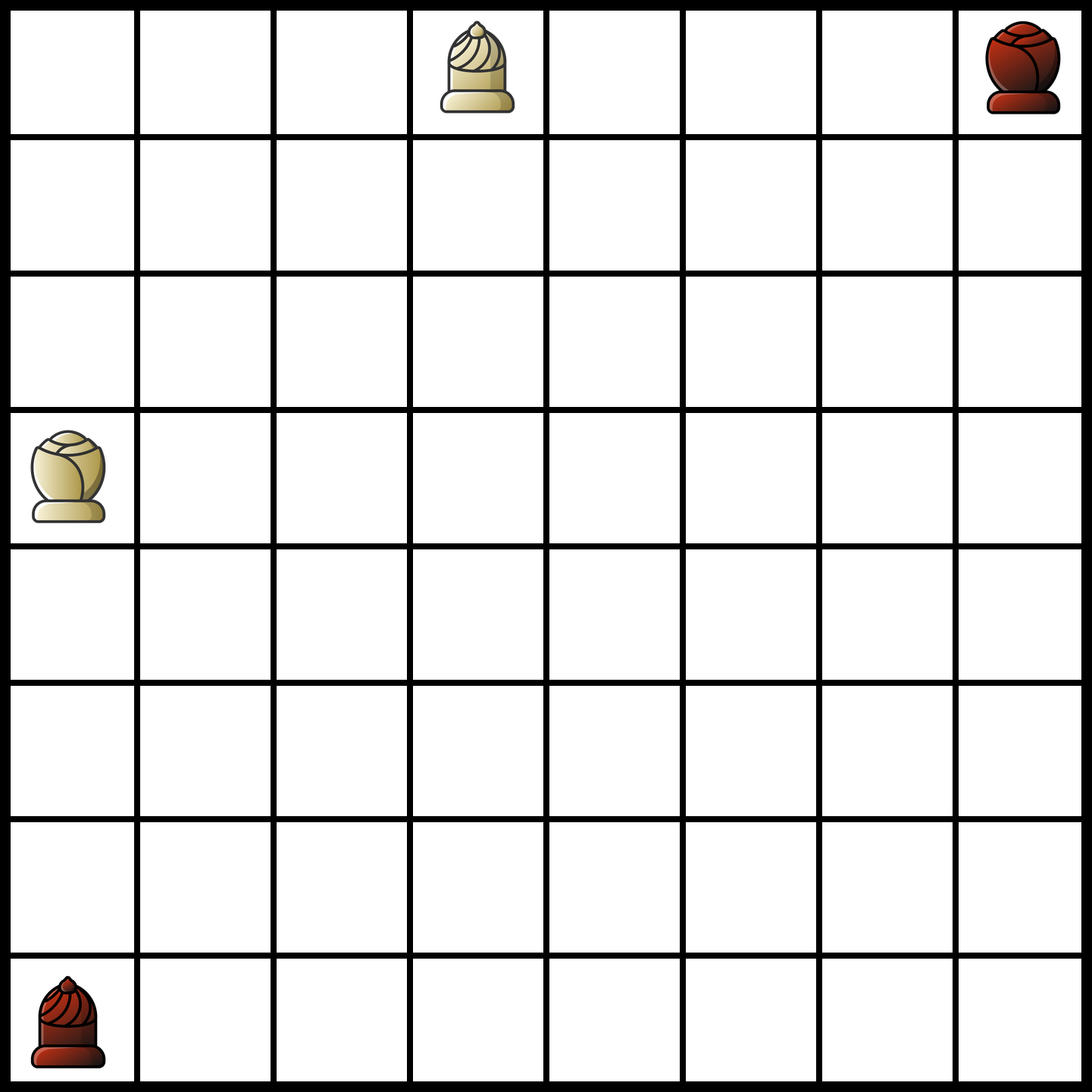
John Tromp’s harder related diamond
A harder transpositional relative discovered by John Tromp. With best play, it leads into the classical Suli’s Diamond idea after a longer forcing route.3Q3k/8/8/K7/8/8/8/q7 w
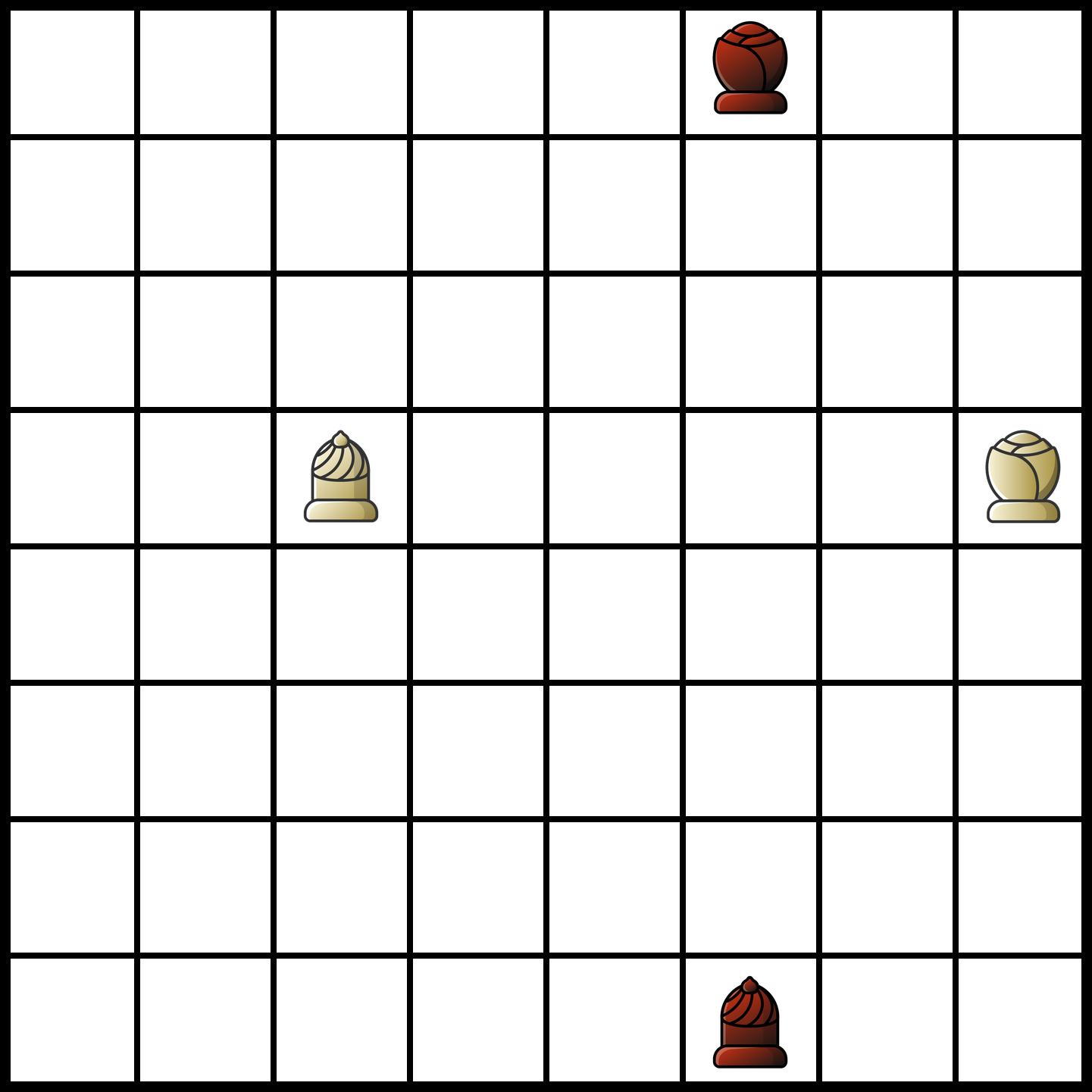
Reverse-ferz diamond
One of the hardest known members of the Suli’s Diamond family. In this reverse-ferz setting, the two ferzes move on opposite diagonal complexes and cannot capture each other.5k2/8/8/2Q4K/8/8/8/5q2 w
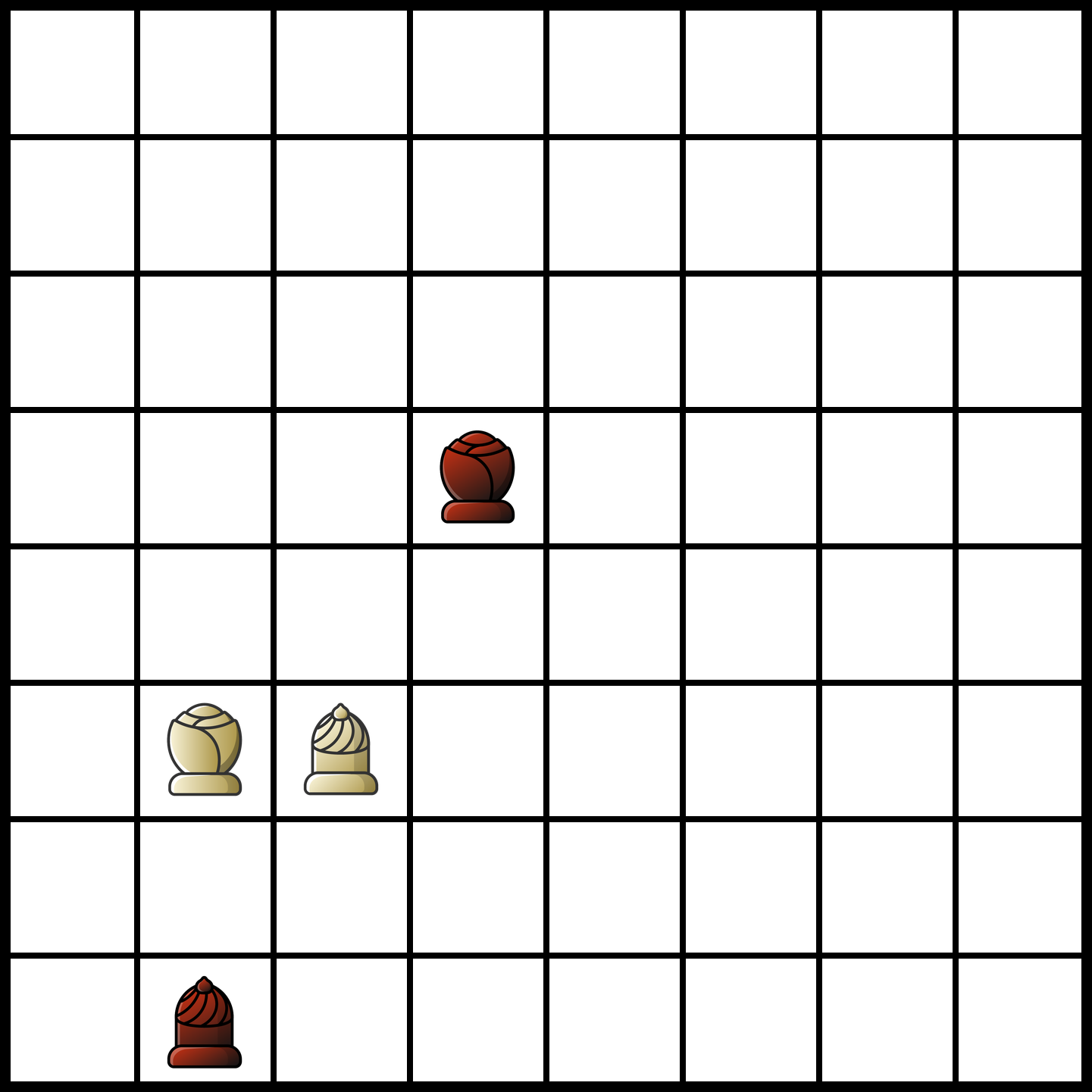
Missing-piece variation
A compact reverse-ferz study inspired by the manuscript question of the missing ferz. The winning idea begins with Ferz b4 and creates a small diamond-shaped maneuver.8/8/8/3k4/8/1KQ5/8/1q6 w
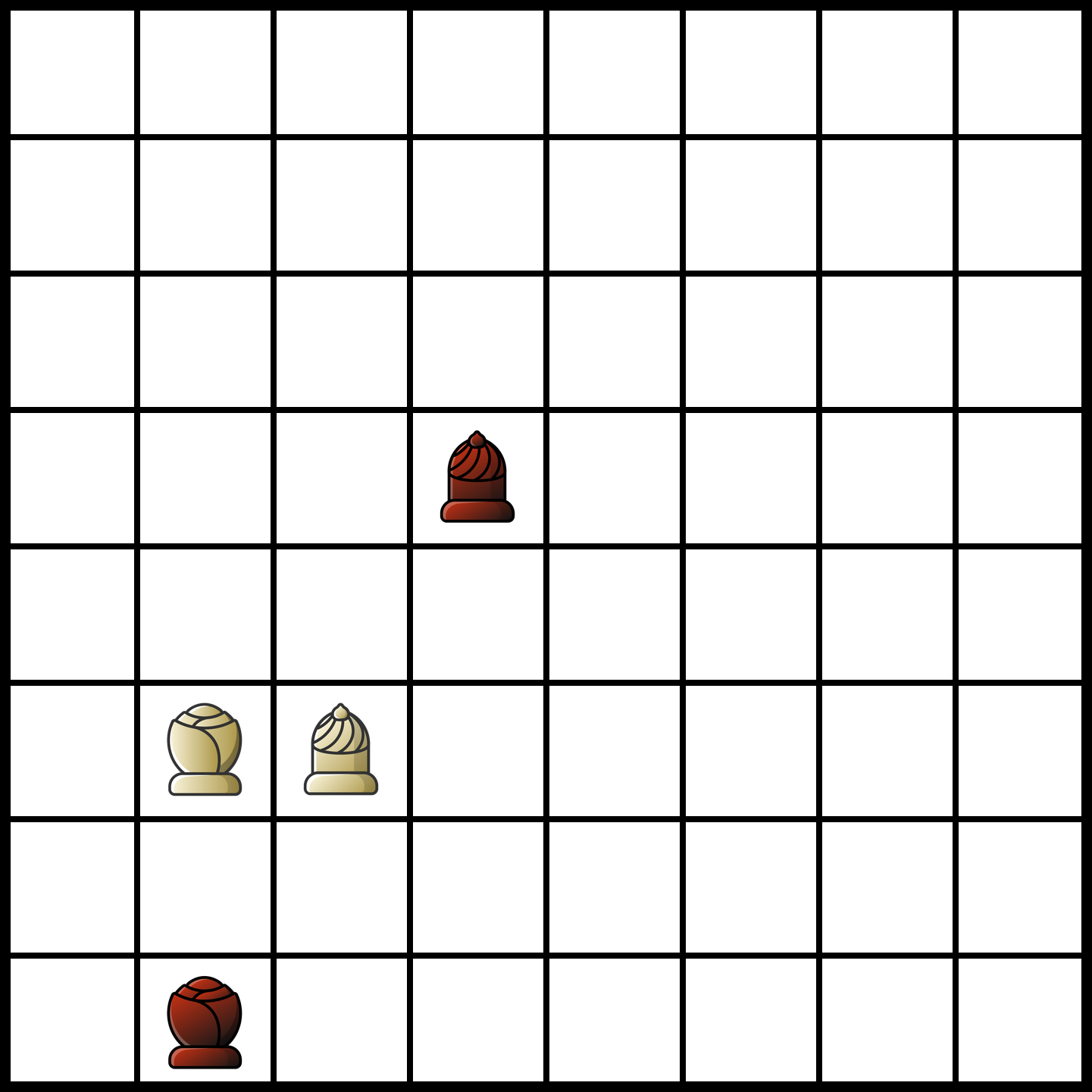
Swapped shah and ferz version
A related reverse-ferz position created by swapping the black shah and ferz. White still wins, again beginning with the key move Ferz b4.8/8/8/3q4/8/1KQ5/8/1k6 w
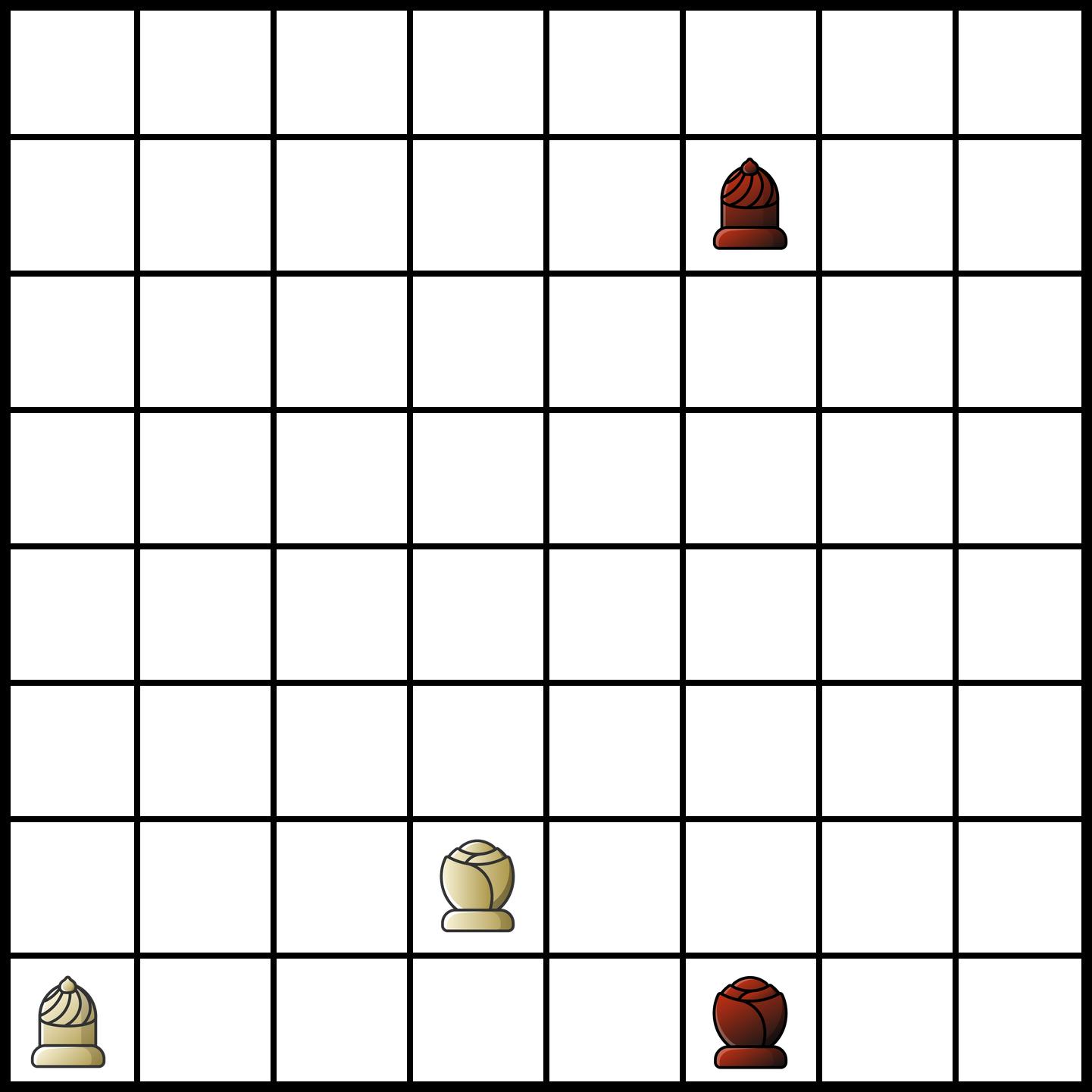
Concave reverse-ferz diamond
Another 63-ply reverse-ferz position from the Suli-Karatekin Diamond family. Its geometry shows how the ancient puzzle expands into a larger landscape of difficult endgame studies.8/5q2/8/8/8/8/3K4/Q4k2 w