Shatranj.ai, zorunlu ilkokul satrancı ve erken çocukluk eğitiminden yapay zeka algoritmalarına, satranç motoru düşüncesine, STEAM eğitimine, kültürel mirasa, çok dilli öğrenmeye ve öğrenci yaratıcılığına kadar eğitimde geniş ve geleceğe dönük bir satranç modeli sunuyor.
Amacımız sadece çocukların daha iyi satranç oyuncuları olmalarına yardımcı olmak değil. Onların daha net düşünen, kültürel farkındalığa sahip öğrenenler, etik karar vericiler ve akıllı sistemlerin nasıl inşa edildiğini anlayan geleceğin yapay zeka mimarları olmalarına yardımcı olmaktır.
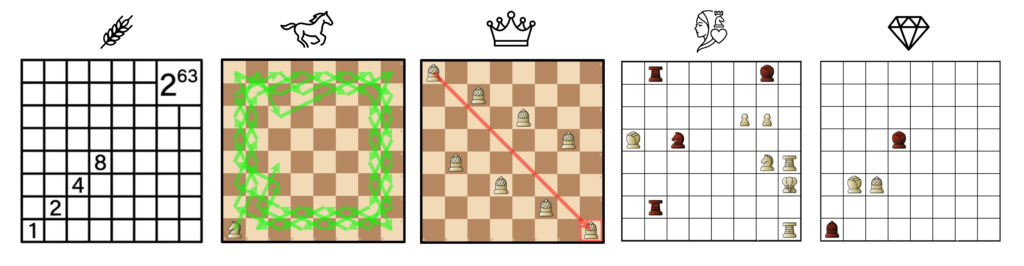
Shatranj.ai müfredatı, yapay zeka algoritmalarını görünür, test edilebilir ve açıklanabilir sistemler aracılığıyla öğretmek için satranç ve tarihi masa oyunlarını kullanır.
Satranç sadece bir oyun, rekabetçi bir zihin sporu ya da okul sonrası bir aktivite değildir. Aynı zamanda kültürler arasında bir köprü, hesaplamayı öğretmek için resmi bir sistem, yapay zekaya giden bir yol ve birçok medeniyete ait ortak bir insanlık mirasıdır.
Satranç ve yapay zekanın iç içe geçmiş tarihi, eğitim felsefemizin merkezinde yer almaktadır. İlk otomatlar ve kafe satrancı kültüründen Shannon, Turing, Deep Blue, Stockfish, AlphaZero ve modern öğrenme sistemlerine kadar satranç, öğrencilere insanların akıllı makineleri nasıl hayal ettiklerini, inşa ettiklerini, test ettiklerini ve geliştirdiklerini anlamak için en açık tarihsel yollardan birini sunar.
Okulların, bakanlıkların, kar amacı gütmeyen kuruluşların, gençlik organizasyonlarının, müzelerin, kütüphanelerin, satranç eğitimcilerinin ve STEAM programlarının satranç ve tarihi masa oyunlarını kapsayıcı öğrenme, bilişimsel düşünme, kültürel anlayış, çok dilli keşif, karakter eğitimi, yaratıcılık ve geleceğe hazır beceriler için araçlar olarak kullanmalarına yardımcı oluyoruz.
Bu eğitim felsefesinin halka açık en önemli konuşması TEDxBoston konuşmasıdır: Satranç: Kültürler Arası Köprü Kuruyor, Yapay Zekaya İlham Veriyor ve Eğitimi Yeniden Tanımlıyor.
Bu konuşma, çocukluk satranç anılarından ve okul satranç eğitiminden ŞAHÎ satranç takımının tasarımına, satranç tahtasındaki kayıp file, ruhani olarak kapsayıcı satranç tasarımına, antik satranç bulmacalarına ve satranç ile yapay zeka arasındaki derin ilişkiye uzanan yolculuğu takip ediyor.
Konuşma, satrancı kültürel bir köprü ve yapay zekaya giden bir eğitim yolu olarak sunuyor. Shatranj'ın tarihini, satranç taşlarının evrimini, satranç motorlarının yükselişini ve Shatranj.ai'nin yapay zeka eğitimini daha erişilebilir, kapsayıcı ve tarihsel olarak anlamlı hale getirme misyonunu birbirine bağlıyor.
Shatranj.ai genişletilmiş düzenlemesini izleyin • TEDxBoston versiyonunu izleyin • Tüm Shatranj.ai konuşmalarını görün
Giriş: Satranç, kültür, yapay zeka ve eğitim
Yugoslavya'dan İstanbul'a, MIT'ye ve koçluğa satranç yolculuğum
Shatranj.ai, shatranj.art ve satrancın birleştirici gücü
Satranç eğitiminin neden daha fazla kültürel ve entelektüel tarihe ihtiyacı var?
Okullarda satranç, eşitlik ve eğitimsel etki
Satranç bir oyun mu, bir spor mu, yoksa daha fazlası mı?
Benjamin Franklin ve satranç ahlakı
Mekanik Türk, Philidor ve kafe satranç kültürü
Satranç, sömürge tarihi ve değişen kurallar
Din, satranç sembolleri ve kapsayıcılık ihtiyacı
Çok kültürlü sınıflar için satrancı yeniden düşünmek
Fil satrançtan nasıl kayboldu?
Fil satranç taşı Abul-Abbas'ın tasarlanması
Tarihi kapsayıcı satranç takımları ve Gülşah Şah tasarımı
ŞAHÎ satranç takımı taşlarının tasarlanması
Satranç takımına neden ŞAHÎ deniyor?
Yapay zekaya entelektüel bir köprü olarak satranç
Antik satranç bulmacaları: Buğday ve satranç tahtası, At Turu, Sekiz vezir ve Suli'nin Karosu
Shannon ve Turing'den AlphaZero'ya Satranç ve Yapay Zeka
Boston'un satranç ve bilgisayar satrancı bağlantıları
Shatranj.ai müfredatı ve satranç yoluyla yapay zeka algoritmaları
Harvard Square satranç topluluğu
Kültürler, STEAM ve yapay zeka eğitimi arasında bir köprü olarak satranç
Birçok satranç programı turnuva başarısını, dereceleri, rekabeti ve satrancın bir zihin sporu olduğunu vurgular. Bunlar satranç eğitiminin değerli parçalarıdır, ancak hikayenin tamamı değildir.
Shatranj.ai, eğitimde satrancı daha geniş bir öğrenme felsefesine genişletiyor. Satranç ve tarihi masa oyunlarını problem çözme, bilişimsel düşünme, kültürel okuryazarlık, etik düşünme, çok dilli öğrenme, yaratıcılık, tasarım, karakter eğitimi ve yapay zeka eğitimi için araçlar olarak ele alıyoruz.
Bizim modelimizde öğrenciler sadece oyun kazanmayı öğrenmiyorlar. Soru sormayı, fikirleri test etmeyi, stratejileri karşılaştırmayı, kararları açıklamayı, basit motorlar inşa etmeyi, verileri yorumlamayı ve akıllı sistemlerin nasıl seçim yaptığını anlamayı öğrenirler.
Rekabetçi satranç disiplin, dayanıklılık, konsantrasyon ve stratejik beceri geliştirebilir. Ancak eğitimde satranç kupalar, dereceler, elit performans veya dar bir zihin sporu modeliyle sınırlandırılmamalıdır.
Yaklaşımımız yeni başlayanları, rekabetçi olmayan öğrencileri, küçük çocukları, öğretmenleri, sanatçıları, kodlayıcıları, müze eğitimcilerini, gençlik çalışanlarını, ebeveynleri, çok dilli sınıfları ve satrançla kültür, tarih, bulmaca, tasarım, hikaye anlatımı, teknoloji veya sosyal öğrenme yoluyla bağlantı kurabilecek öğrencileri memnuniyetle karşılamaktadır.
Temel pozisyonumuz basit: eğitimde satranç sadece satranç performansını değil, eğitim sonuçlarını da en üst düzeye çıkarmalıdır. Modern bir satranç programı erken çocukluk gelişimini, matematiksel muhakemeyi, sosyal-duygusal öğrenmeyi, çok dilli öğrenmeyi, kültürel katılımı, tarihsel anlayışı, tasarımsal düşünmeyi, hesaplamalı düşünmeyi, yapay zeka algoritmalarını ve öğrenci yaratıcılığını destekleyebilir.
Satranç uzun zamandır karakter eğitimiyle bağlantılıdır. Benjamin Franklin'in ünlü makalesi, Satranç Ahlakı, satrancı öngörü, ihtiyat, dikkat, azim, adalet ve saygılı davranış pratiği yapmanın bir yolu olarak çerçevelemiştir.
Shatranj.ai bu geleneği modern sınıflar için güncelliyor. Öğrenciler satrancı sabır, gecikmiş memnuniyet, saygılı rekabet, kanıta dayalı karar verme, hata analizi, dayanıklılık ve etik düşünme pratiği yapmak için kullanabilirler. Bu alışkanlıklar okulda, teknolojide, sivil hayatta ve gelecekteki kariyerlerinde önemlidir.
Shatranj.ai sadece bir STEM projesi değildir. Satrancı sanat, tarih, felsefe, edebiyat, ekonomi, sosyal bilimler, kültürel miras, matematik, bilgisayar bilimi ve yapay zeka ile birleştiren multidisipliner bir öğrenme modelidir.
Bu önemlidir çünkü satranç bir eğitim nesnesi olarak alışılmadık derecede zengindir. Matematiksel bir sistem, tarihi bir eser, bir tasarım dili, sosyal bir uygulama, stratejik bir oyun, edebi bir metafor, ekonomik bir karar verme modeli ve yapay zeka tarihindeki en önemli test alanlarından biridir.
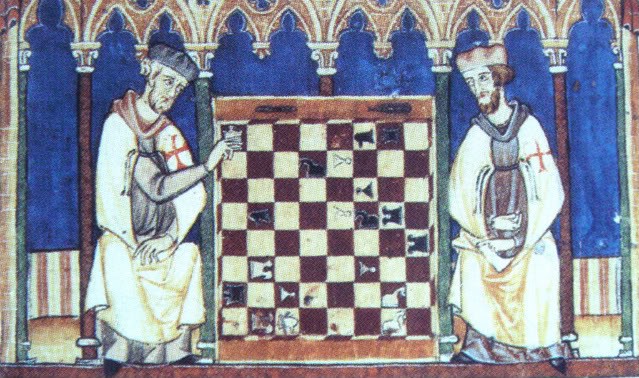
Tarihi el yazmaları, öğrencilerin satrancı kültür, dil, hikayeler ve öğrenme arasında yaşayan bir köprü olarak görmelerine yardımcı olur.
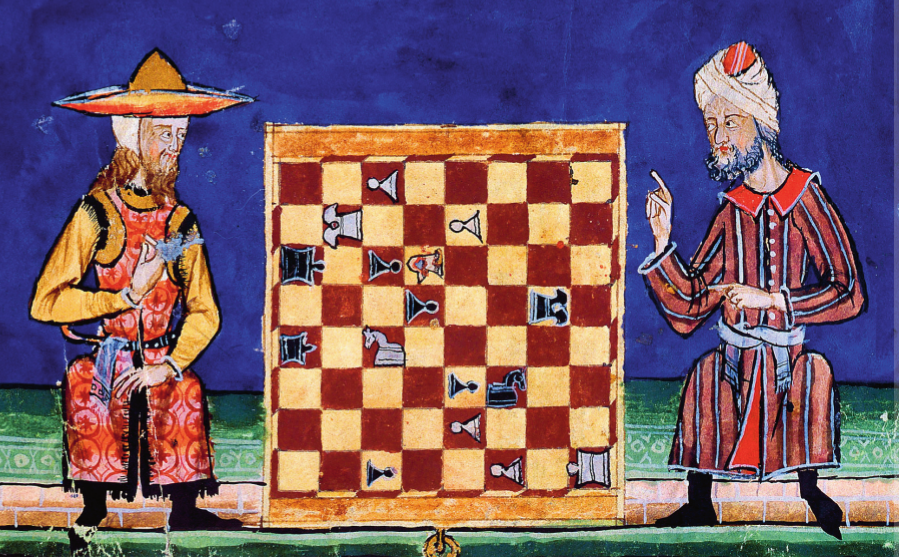
Satranç sadece rekabetçi bir faaliyet veya dar bir kültürel sembol olarak değil, ortak bir insanlık mirası olarak öğretilebilir.
Satranç tahtası, algoritma, arama, değerlendirme ve akıllı yazılım tasarımını öğretmek için görünür bir sistem haline gelir.
DeepSeaChess, erken çocukluk ve ilkokul satranç temelimizdir. Genç öğrencilerle doğrudan sınıf deneyiminden oluşturulmuş ve satrancın birinci ve ikinci sınıf öğrencileri için zorunlu bir öğrenme etkinliği olarak uygulandığı İstanbul Teknik Üniversitesi Vakfı Okullarında pilot olarak uygulanmıştır.
Birçok okul satrancı isteğe bağlı bir kulüp olarak sunmaktadır. Deneyimlerimiz, satrancın net eğitim çıktıları, yaşa uygun materyaller, öğretmen desteği ve modern bir müfredat modeli ile yapılandırılmış bir okul günü öğrenme programı olarak da tasarlanabileceğini göstermektedir.
Modern bir zorunlu satranç programı çocuklara sadece taşların nasıl hareket ettiğini öğretmemelidir. Dikkat, çalışma belleği, uzamsal muhakeme, örüntü tanıma, saygılı oyun, sıra alma, sınıf rutinleri, güven, merak, erken matematiksel düşünme ve sosyal-duygusal öğrenmeyi desteklemelidir.
DeepSeaChess ayrıca kültürel olarak kapsayıcı ve çok dilli satranç öğrenimini de destekler. Satranç taşı isimleri, hikayeler, tahta koordinatları, sınıf dili ve görsel materyaller, çocukların kelime, sembol, miras ve iletişim ile akıl yürütme arasında bağlantı kurmalarına yardımcı olabilir.
DeepSeaChess müfredatı hakkında bilgi edinin
Satranç, öğrenci öğreniminin farklı boyutlarını ortaya çıkarabilir ve güçlendirebilir. Güçlü bir okul satranç programı başarıyı sadece turnuva puanlarıyla ölçmemelidir. Aynı zamanda öğrencilerin nasıl akıl yürüttüklerini, açıkladıklarını, işbirliği yaptıklarını, sebat ettiklerini, kalıpları hatırladıklarını, duyguları yönettiklerini ve fikirleri yeni durumlara nasıl aktardıklarını da gözlemlemelidir.
Shatranj.ai ve DeepSeaChess birden fazla alanda öğrenme çıktılarını destekleyebilir:
Shatranj.ai, yapay zekayı öğrencilerin görebileceği, test edebileceği, hata ayıklayabileceği ve açıklayabileceği algoritmalar aracılığıyla öğretir. Satranç ve tarihi masa oyunları soyut YZ kavramlarını somut hale getirir çünkü her pozisyonun bir durumu vardır, her hamle durumu değiştirir ve her algoritma incelenebilecek bir iz bırakır.
Müfredat, tahta temsili ve yasal hamle üretiminden başlar, ardından kademeli olarak arama, değerlendirme, dinamik programlama, takviyeli öğrenme ve AlphaZero tarzı kendi kendine oyuna doğru ilerler. Öğrenciler bu şekilde oyunculardan yapay zeka mimarlarına geçerler.
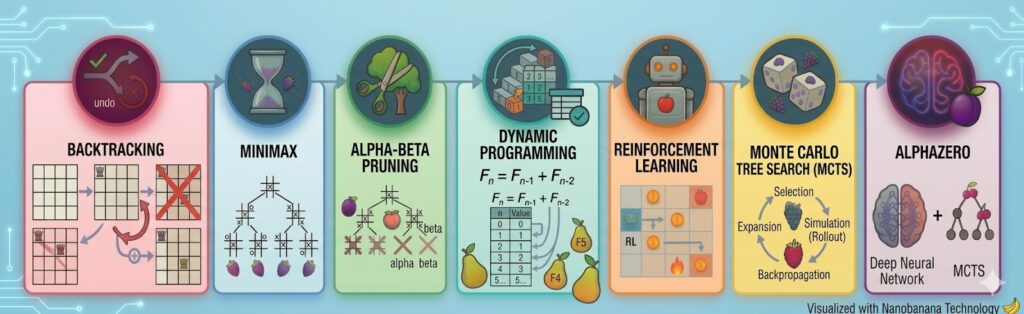
Shatranj.ai, yapay zeka algoritmalarını gelişimsel bir yol olarak öğretir: bulmaca ve aramadan takviyeli öğrenmeye, Monte Carlo Ağaç Arama ve AlphaZero tarzı sistemlere kadar.
Bu algoritmik dizi, izole edilmiş bilgisayar bilimi teorisi olarak sunulmamaktadır. Oyunların kültürel ve entelektüel tarihi üzerinden öğretilmektedir: antik bulmacalar, ortaçağ şatrancı, el yazması pozisyonlar, modern satranç motorları ve çağdaş yapay zeka sistemleri.
Shatranj.ai'nin ana fikri, öğrencilerin sadece kullanıcı değil, kurucu olmaları gerektiğidir. Teknik incelememiz, Oyunculardan Yapay Zeka Mimarlarına: Satranç ve Yapay Zekanın İç İçe Geçmiş Tarihini Bilgisayarın Geleceğini Öğretmek İçin Kullanmak, satranç ve tarihi masa oyunlarının öğrencilerin yapay zekayı içeriden anlamalarına nasıl yardımcı olabileceğini açıklıyor.
Amaç sadece farkındalık veya sorumlu kullanım anlamında YZ okuryazarlığı değildir. Amaç, öğrencilerin YZ mimarları olmayı hedeflemelerine yardımcı olmaktır: akıllı sistemlerin nasıl temsil edildiğini, tasarlandığını, test edildiğini, geliştirildiğini ve açıklandığını anlayan genç insanlar.
Satranç, shatranj ve tarihi masa oyunları aracılığıyla öğrenciler arama algoritmaları, değerlendirme, özyineleme, budama, dinamik programlama, pekiştirmeli öğrenme, kendi kendine oyun ve erken sembolik yapay zekadan Stockfish ve AlphaZero gibi modern sistemlere kadar satranç motorlarının evrimini inceleyebilirler.
Satranç, insan stratejisi ile makine zekası arasındaki en açık köprülerden biridir. Tahta, öğrencilere koordinatları, durumları, yasal hamleleri, arama ağaçlarını, değerlendirmeyi, planlamayı, geri bildirimi ve öğrenmeyi inceleyebilecekleri görünür bir sistem sunar.
Shatranj.ai'de öğrenciler sadece yapay zekanın var olduğunu duymakla kalmıyor. Satranç yazılımının ve akıllı ajanların arkasındaki fikirleri inceliyorlar. Bir programın bir tahtayı nasıl temsil ettiğini, yasal hamleleri nasıl ürettiğini, pozisyonları nasıl değerlendirdiğini, gelecekteki olasılıkları nasıl araştırdığını, aday hamleleri nasıl karşılaştırdığını ve veri ve geri bildirim yoluyla nasıl geliştiğini öğreniyorlar.
Shatranj.ai müfredatını keşfedin • Shatranj.ai öğrenme platformunu ziyaret edin
Shatranj.ai, daha önceki Avrupa’daki satranç-eğitim projeleriyle aynı açık eğitim ruhunu benimsemekte ve bu modeli çok disiplinli öğrenme, kültürel miras, yapay zeka algoritmaları ve satranç motoru mantığına doğru genişletmektedir.
CASTLE, “İlköğretimde Öğrencilerin Düşünme ve Öğrenme Becerilerini Geliştirmeye Yönelik Satranç Müfredatı’ başlıklı çalışmasıyla, satrancın ilkokullarda öğretmen öncülüğünde bir pedagojik araç haline nasıl getirilebileceğini ortaya koydu.
CHAMPS (“İlkokulda Satranç ve Matematik”) projesi, satranç tahtası, taşlar, ızgaralar, mantık, geometri, kombinatorik ve problem çözme becerilerini kullanan satranç ve matematik alıştırmaları geliştirmiştir.
“8 by 8” kitabı, çocukların kalıpları ve stratejileri keşfetmelerine yardımcı olan basit oyun etkinlikleri ve sınıf oyunları da dahil olmak üzere, 8×8’lik bir tahtada oynanan strateji oyunlarını ele almıştır.
DEHB ve Satranç / Chess4ADHD, kapsayıcı satranç eğitiminde bir başka önemli yönü temsil etmektedir: DEHB, otizm, Asperger sendromu ve diğer özel eğitim ihtiyaçları olan öğrenciler için satrancı bir eğitim ve tedavi aracı olarak kullanmak.
Bu proje, Villalba ve Madrid satranç eğitimi ekosistemiyle bağlantılı olup, uyarlanmış alıştırmalara, küçük gruplara, ailelere, dikkat, hafıza, planlama, karar verme, motivasyon ve gereksiz rekabet stresinden kaçınmaya önem vermektedir.
Bu projeler satranç, satranç tahtaları, strateji oyunları, matematik, öğretmen eğitimi, okullarda uygulama, kapsayıcılık ve özel eğitim ihtiyaçlarının önemini ortaya koymaktadır. Shatranj.ai, bu eğitim geleneğini temel alırken yapay zeka algoritmalarına, tarihi tahta oyunlarına, kapsayıcı tasarıma, kültürel mirasa, disiplinlerarası müfredata ve öğrencilerin yaratıcılığına daha fazla ağırlık vermektedir.
Shatranj.art, eğitimde satrancın kapsamını sınıf içi çalışma kağıtlarının ötesine taşıyor. Bu sergi, satranç takımlarının, taşlarının, kurallarının, terminolojisinin ve tarihi tahta oyunlarının evrimini konu alan kültürel ve eğitici bir sergidir.
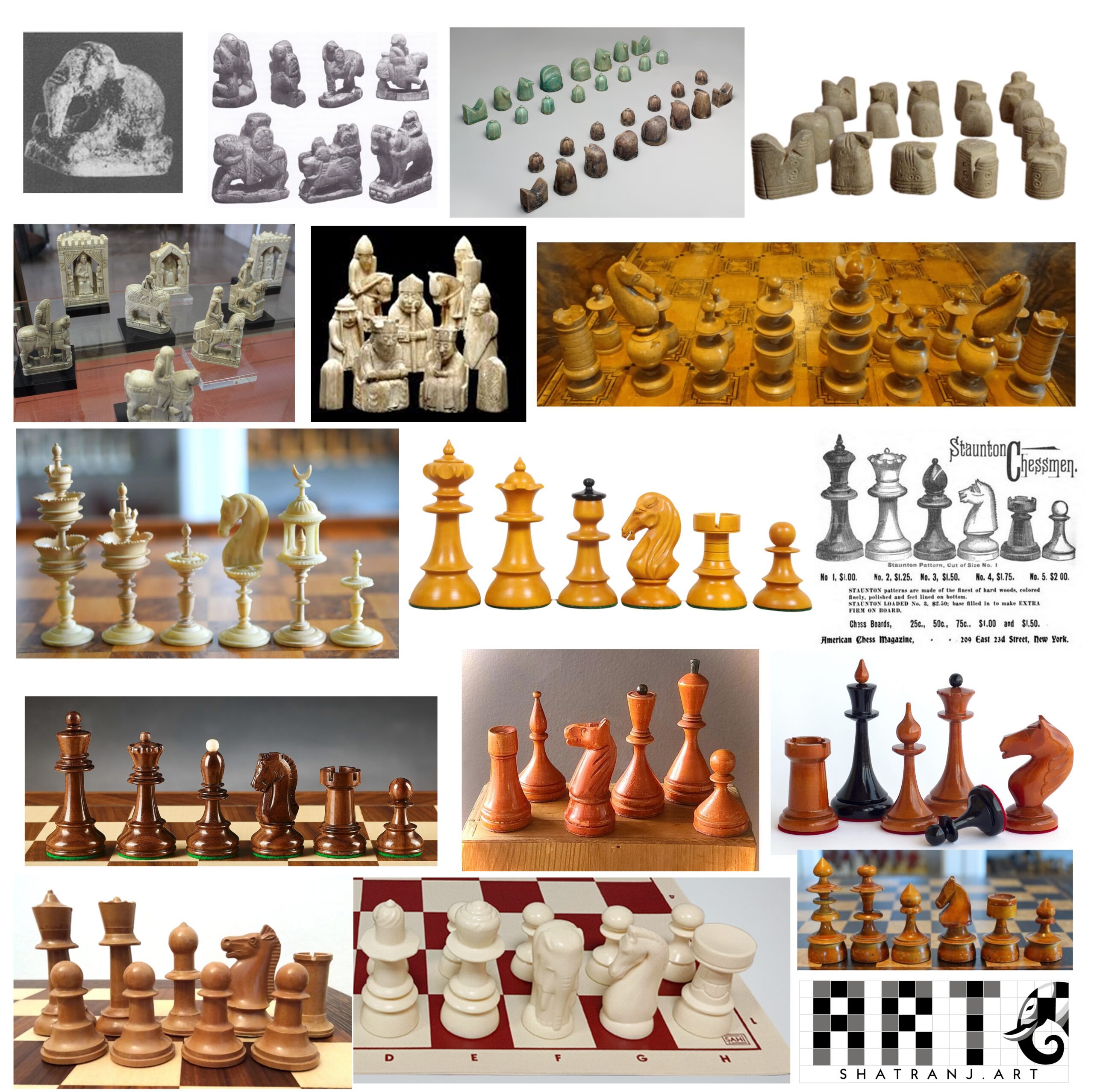
Shatranj.art, tarihten kapsayıcı satranç takımı tasarımlarını, Shatranj.ai projesinin kendi eğitici satranç takımı tasarım çalışmalarıyla birlikte sunarak, okulların satrancı ortak kültürel miras olarak öğretmesine yardımcı oluyor.
Sergi, okullar, müzeler, kütüphaneler, kültür kurumları, gençlik programları ve dijital sınıf deneyimleri için tasarlanmıştır. Öğrencilerin satrancı sadece bir spor olarak değil, aynı zamanda diller, medeniyetler, el yazmaları, sanat, bilim ve tasarım arasında uzanan bir yolculuk olarak görmelerine yardımcı olmaktadır.
Sergi ayrıca, satrancın pek çok görsel geleneğe, tarihsel biçime ve kültürel kökene sahip olduğunu göstererek kapsayıcı satranç eğitimini desteklemektedir. Bu, öğrencilerin satrancı tek bir kültürün ya da tek bir rekabet yolunun mülkiyeti olarak değil, ortak bir insan mirası olarak kavramalarına yardımcı olmaktadır.
Eğitim felsefemiz, fiziksel tasarımda da kendini göstermektedir. ŞAHÎ satranç takımı, tarihten ilham alan ve kültürel açıdan kapsayıcı bir satranç takımı olup, medeniyetler arasında satrancın izlediği küresel yolculuğu kutlamaktadır.
Bu set, modern satranç tahtasını şatranj, tarihi taş isimleri, el yazması gelenekleri, görsel sembolizm ve kapsayıcı eğitimsel hikâye anlatımıyla bir araya getiriyor. Satranç’ı dar kapsamlı bir kültürel sembol olmaktan ziyade ortak bir miras olarak sunmayı amaçlayan sınıf içi gösteriler, sergiler, atölye çalışmaları, kültürel programlar ve okul satranç girişimlerine destek olabilir.
ŞAHÎ satranç takımı hakkında bilgi edinin
“Suli’s Diamond”, eğitim yöntemimizin en çarpıcı örneklerinden biridir. Bu çalışma, tarihi bir şatranj bulmacasını oyun sonu analizi, dinamik programlama, tablo tabanları, yapay zeka doğrulaması ve entelektüel mirasın korunması ile bir araya getirmektedir.
Bir sınıfta veya atölyede, Suli’nin Elması tarih, matematiksel akıl yürütme, hesaplamalı arama, durum uzayları, hesaplamayla ispat ve insan sezgisi ile makine analizi arasındaki ilişki üzerine bir ders haline gelebilir.
Suli's Diamond'ı Keşfedin • “Suli’s Diamond” belgesel sunumunu izleyin
Shatranj.ai’nin eğitimde satranç modeli, birbirini tamamlayan girişimleri bir araya getirir: Yapay zeka algoritmaları ve müfredat geliştirme için Shatranj.ai, erken çocukluk ve ilkokul düzeyinde satranç uygulamaları için DeepSeaChess, kültürel miras eğitimi için Shatranj.art, kapsayıcı satranç takımı tasarımı için ŞAHÎ ve kültürel açıdan kapsayıcı tarihi zeka oyunları etrafında kâr amacı gütmeyen işbirliği için Shatranj International.
Bu, okullara ve bakanlıklara standart bir satranç kulübünden daha geniş bir uygulama yolu sunar. Bir okul, DeepSeaChess aracılığıyla ilkokul seviyesinde satrançla başlayabilir, Shatranj.art aracılığıyla kapsayıcı satranç mirası ve okul sergilerine doğru genişleyebilir ve daha sonra Shatranj.ai aracılığıyla yapay zeka algoritmalarını, satranç motoru düşünce biçimini ve tarihi tahta oyunları hesaplamalarını tanıtabilir.
Shatranj International, şatranj’ı, tarihi satranç türlerini, kültürel açıdan kapsayıcı satranç takımlarını, tarihi zeka oyunlarını ve bu oyunları ortak insani entelektüel ve kültürel miras olarak koruyan eğitim girişimlerini tanıtmayı amaçlayan daha geniş kapsamlı bir kar amacı gütmeyen misyonu desteklemektedir.
Boston Çocuk Satranç Vakfı, satranç eğitimini çocuklar, aileler, okullar ve topluluklar için daha erişilebilir hale getirmeyi amaçlayan, Boston merkezli bu geniş kapsamlı çabanın bir parçasıdır. Bu girişimler bir araya geldiğinde, Boston ve ötesinde okul satranç programlarını, gençlere yönelik atölyeleri, kapsayıcı turnuvaları, öğretmen eğitimlerini, bağışçılar tarafından finanse edilen sosyal yardım faaliyetlerini ve eğitici satranç etkinliklerini destekleyebilir.
Daha fazla bilgi: DeepSeaChess Eğitim Programı • Shatranj Uluslararası • Shatranj.ai
Okullar ve bakanlıklar, satranç konusunda sadece coşkuya ihtiyaç duymazlar. Net sonuçlara, pratik uygulama modellerine, öğretmen desteğine ve kanıta dayalı müfredat tasarımına ihtiyaç duyarlar.
Eğitimde satranç modelimiz, aşağıdaki gibi sonuçlara göre uyarlanabilir:
Shatranj.ai, okulların ve eğitim sistemlerinin tek başına yürütülen satranç etkinliklerinden, eğitim kapsamında yapılandırılmış satranç programlarına geçiş yapmalarına yardımcı olmaya önem vermektedir.
Tasarım veya modernizasyon yapmak isteyen kurumlara destek sağlayabiliriz:
Amacımız, okulların satrancı mümkün olan en modern şekilde uygulamalarına yardımcı olmaktır: kapsayıcı, yaşa uygun, kültürel açıdan anlamlı, çok dilli, teknolojik açıdan güncel ve ölçülebilir öğrenme çıktıları ile bağlantılı bir şekilde.
Shatranj.ai, satrancı standart bir satranç kulübünden daha derin bir düzeyde eğitim sürecine entegre etmek isteyen kurumlar için tasarlanmıştır. Modelimiz, okul satranç programlarını, yapay zeka algoritmalarıyla ilgili pilot uygulamaları, STEAM zenginleştirme faaliyetlerini, kültürel miras haftalarını, disiplinlerarası müfredat tasarımını, öğretmen atölyelerini ve öğrenci inovasyon programlarını destekleyebilir.
Satranç ile modern öğrenme çıktılarını birbirine bağlamak isteyen okullar, eğitim bakanlıkları, okul satranç federasyonları, uluslararası eğitim ağları, üniversiteler, belediyeler ve gençlere hizmet veren kuruluşlarla işbirliği yapmaktan memnuniyet duyarız.
FIDE ve ISCF’nin “Eğitimde Satranç Yılı 2026” girişimi hakkında bilgi edinin
Shatranj.ai, Shatranj International, DeepSeaChess, Shatranj.art ve Boston Çocuk Satranç Vakfı, eğitimde satranç alanındaki modern çalışmalar için pratik bir ekosistem oluşturmaktadır: müfredat, erken çocukluk döneminde uygulama, kültürel miras, yapay zeka eğitimi, kar amacı gütmeyen sosyal yardım faaliyetleri ve topluma erişim.
Bağışçılar ve sivil toplum ortakları, herkese açık müfredatı, zorunlu veya okul çapında satranç programlarını, gençlere yönelik atölyeleri, öğretmen eğitimlerini, kapsayıcı satranç festivallerini, sergi geliştirme çalışmalarını, kültürel açıdan kapsayıcı satranç takımı erişimini, yapay zeka algoritmaları atölyelerini ve hizmetlerden yeterince yararlanamayan topluluklara yönelik sosyal yardım faaliyetlerini destekleyebilirler.
Amaç sadece daha güçlü satranç oyuncuları yetiştirmek değildir. Amaç, kendine güvenen öğrenenler, sorun çözme becerisi daha gelişmiş öğrenciler, kültürel farkındalığı yüksek öğrenciler, çok dilli düşünenler ve akıllı teknolojiyi anlayıp şekillendirebilen gençler yetiştirmektir.
Boston’da ve uluslararası alanda satranç eğitimini desteklemek isteyen bağışçılar, vakıflar, sivil toplum liderleri, okul bölgeleri, üniversiteler, belediyeler ve topluluk ortaklarıyla görüşmeye açığız.
Shatranj.ai’nin yaklaşımı, satranç eğitimi, teknoloji, yapay zeka, müfredat tasarımı, ürün stratejisi ve uluslararası eğitim projeleri alanlarındaki deneyimlerden şekillenmiştir.
Bu çalışma, MIT'de eğitim görmüş bir teknoloji uzmanı, eski Türkiye Satranç Şampiyonu, satranç eğitmeni ve müfredat tasarımcısı olan Tamer Karatekin tarafından yürütülmektedir. Karatekin’in geçmişinde, MITx’in Veri, Ekonomi ve Politika Tasarımı alanlarındaki MicroMasters programı yer almakta olup, ayrıca bilgisayar bilimi, ekonomi, eğitim ve bilim tarihi alanlarında önde gelen öğretim üyeleri ve akademisyenlerle işbirliği yapmıştır.
Bu birleşim, Shatranj.ai’nin eğitimde satrancı yalnızca bir satranç eğitimi sorunu olarak değil, aynı zamanda müfredat tasarımı, teknoloji, eşitlik, kültür, çok dilli öğrenme ve kamu politikası alanlarındaki birer zorluk olarak ele almasını sağlıyor.
Eğitimde satranç, küresel bir hareket haline gelmektedir. Okullar ve eğitim sistemleri, problem çözme, dijital okuryazarlık, yapay zeka okuryazarlığı, hesaplamalı düşünme, çok dilli öğrenme, sosyal-duygusal gelişim ve karakter eğitimi konularını öğretmek için pratik yollar ararken, satranç basitlik, derinlik, tarih ve evrensel çekiciliğin nadir bir birleşimini sunmaktadır.
Ancak eğitimde satrancın geleceği kapsayıcı olmalıdır. Rekabetçi mükemmelliğe saygı gösterirken, aynı zamanda kültür, sanat, kodlama, tarih, dil, tasarım, hikâye anlatımı, sosyal öğrenme ya da merak yoluyla satrançla bağlantı kuran öğrencilere de kucak açmalıdır.
Shatranj.ai, okullarda zorunlu satranç eğitimi, yapay zeka, satranç motoru mantığı, kültürel miras, tarihi tahta oyunları, açık erişimli müfredat ve okullara uygun uygulamaları birbiriyle birleştirerek bu geleceğe katkıda bulunuyor.
Kapsayıcı satranç-eğitim programlarını hayata geçirmekle ilgilenen okullar, bakanlıklar, vakıflar, kar amacı gütmeyen kuruluşlar, belediyeler, satranç federasyonları, kültür kurumları, eğitim liderleri ve bağışçılarla görüşmeye açığız.
Shatranj.ai ile iletişime geçin
Eğitimde satranç, satrancı problem çözme, planlama, konsantrasyon, matematiksel düşünme, kültürel miras, sosyal-duygusal öğrenme, çok dilli öğrenme, hesaplamalı düşünme ve dijital beceriler için bir öğretim aracı olarak kullanmak anlamına gelir.
Geleneksel bir okul satranç programı genellikle kuralları öğrenmeye, oyun becerisini geliştirmeye ve turnuvalara hazırlanmaya odaklanır. Shatranj.ai ise satrancı yapay zeka algoritmaları, kodlama, kültürel miras, tarihi tahta oyunları, kapsayıcı tasarım, çok dilli öğrenme, karakter eğitimi ve STEAM eğitimi ile birleştirerek bu kapsamın ötesine geçiyor.
Hayır. Shatranj.ai, çok çeşitli öğrenenler için tasarlanmıştır. Öğrencilerin mantık, strateji, kodlama, kültür, tasarım, dil, sosyal-duygusal öğrenme ve yapay zeka konularındaki derslerden faydalanabilmeleri için uzman satranç oyuncuları olmaları gerekmez.
Evet. DeepSeaChess deneyimimiz, satrancın birinci ve ikinci sınıf öğrencileri için zorunlu bir etkinlik olarak uygulandığı bir okul pilot projesini de içermektedir. Shatranj.ai, erken yaşta satranç öğrenimini modern müfredat tasarımı, STEAM eğitimi, çok dilli öğrenme, kültürel miras ve yapay zeka eğitimi ile birleştirerek bu temeli daha da geliştiriyor.
Satranç, öğrencilerin öngörü, ihtiyat, azim, adalet, saygı, sabır ve derin düşünme becerilerini geliştirmelerine yardımcı olabilir. Bu, modern satranç eğitimini Benjamin Franklin’in denemesini de içeren uzun bir gelenekle birleştirir. Satranç Ahlakı, bu fikirleri kapsayıcı çağdaş sınıflara uyarlarken.
Shatranj.ai, tahta temsilini, geçerli hamle üretimini, geri izlemeyi, DFS, BFS, Tekdüze Maliyet Arama, A*, minimax, expectiminimax, alfa-beta budama, dinamik programlama, pekiştirmeli öğrenme, Q-öğrenme, derin Q-ağları, Monte Carlo rolloutları, Monte Carlo Ağaç Arama ve AlphaZero tarzı kendi kendine oyun özelliklerini sunuyor.
Satranç, öğrencilerin yapay zekayı anlamalarına yardımcı olur; çünkü yapay zekayla ilgili pek çok önemli kavram satranç aracılığıyla gösterilebilir: tahta temsili, geçerli hamle üretimi, arama ağaçları, değerlendirme fonksiyonları, algoritmalar, pekiştirmeli öğrenme, kendi kendine oyun ve belirsizlik altında karar verme.
Bu, öğrencilerin sadece yapay zeka araçlarını kullanmamaları veya oyun oynamamaları gerektiği anlamına gelir. Akıllı sistemlerin nasıl tasarlandığını öğrenmeleri gerekir. Satranç ve tarihi tahta oyunları aracılığıyla öğrenciler, yazılımın bir oyunu nasıl temsil ettiğini, olası gelecek senaryolarını nasıl araştırdığını, seçenekleri nasıl değerlendirdiğini, verilerden nasıl öğrendiğini ve zamanla nasıl geliştiğini inceleyebilirler.
Tarihi masa oyunları, öğrencilere zeka, strateji, tasarım ve hesaplamanın derin kültürel kökleri olduğunu gösterir. Ayrıca bu oyunlar, satranç eğitimini birçok dil, medeniyet, el yazması ve gelenekle ilişkilendirerek daha kapsayıcı hale getirir.
Shatranj.ai, CASTLE, CHAMPS, 8 by 8 gibi projeler ve ADHD & Chess gibi kapsayıcı satranç girişimleriyle aynı açık eğitim ruhu içinde geliştirilmiştir. Bu projeler, satranç, matematik, strateji oyunları, öğretmen eğitimi, özel eğitim ihtiyaçları ve sınıf uygulamalarının eğitimsel değerini ortaya koymaya yardımcı olmuştur. Shatranj.ai, bu geleneği kültürel miras, disiplinlerarası müfredat, yapay zeka algoritmaları, satranç motoru düşüncesi ve öğrenci yaratıcılığına doğru genişletmektedir.
Evet. Okullar, Shatranj.ai materyallerini derslerde, kulüplerde, atölyelerde, okul sonrası programlarda, STEAM etkinliklerinde, öğretmen eğitimi oturumlarında, kültürel miras etkinliklerinde, çok dilli öğrenim programlarında ve disiplinlerarası projelerde kullanabilir.
Evet. Bağışçılar ve vakıflar, açık erişimli müfredatı, okullarda zorunlu satranç programlarını, gençlere yönelik atölyeleri, öğretmen eğitimlerini, kültürel sergileri, kapsayıcı satranç materyallerini, yapay zeka algoritmalarına dayalı programları ve Shatranj.ai ile bağlantılı kar amacı gütmeyen satranç eğitimi girişimlerini destekleyebilirler, Shatranj International, DeepSeaChess, Shatranj.art ve Boston Çocuk Satranç Vakfı ile bağlantılı kâr amacı gütmeyen satranç eğitimi girişimlerini destekleyebilirler.