
Shatranj.ai претставува широк, иднина-ориентиран модел на шах во образованието: од задолжителниот шах во основното образование и учењето во раното детство до алгоритми на вештачка интелигенција, размислување со шаховски мотори, STEAM образование, културно наследство, повеќејазично учење и креативност на учениците.
Нашата цел не е само да им помогнеме на децата да станат подобри шахисти. Целта е да им помогнеме да станат појасни мислители, ученици културно свесни, етички носители на одлуки и идни архитекти на вештачка интелигенција кои разбираат како се градат интелигентни системи.
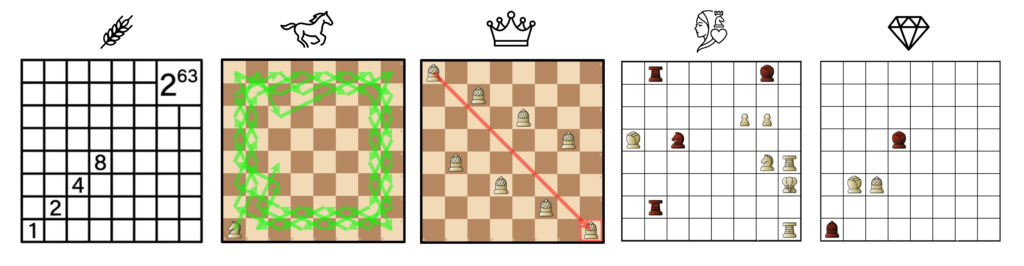
Наставната програма на Shatranj.ai користи шах и историски друштвени игри за да ги учи алгоритмите на вештачка интелигенција преку видливи, проверливи и објаснувачки системи.
Шахот не е само игра, натпреварувачки интелектуален спорт или активност по училиште. Тој е исто така мост меѓу културите, формален систем за подучување на пресметување, пат кон вештачката интелигенција и заедничко човечко наследство кое припаѓа на многу цивилизации.
Преплетената историја на шахот и вештачката интелигенција е во сржта на нашата филозофија за предавање. Од раните автомати и кафе-шаховската култура до Шенон, Тјуринг, Дип Блу, Стокфиш, АлфаЗеро и современите системи за учење, шахот им нуди на студентите еден од најјасните историски патеки за разбирање како луѓето замислувале, граделе, тестирале и подобрувале интелигентни машини.
Ние им помагаме на училишта, министерства, непрофитни организации, младински организации, музеи, библиотеки, шаховски едукатори и STEAM програми да ги користат шахот и историските друштвени игри како алатки за инклузивно учење, компјутерско размислување, културно разбирање, повеќејазично истражување, воспитување на карактер, креативност и вештини подготвени за иднината.
Главниот јавен говор за оваа образовна филозофија е говорот на TEDxBoston: Шах: Поврзување на културите, инспирирање на вештачката интелигенција и редефинирање на образованието.
Овој говор го следи патувањето од детските шаховски спомени и школското шаховско образование до дизајнот на шаховскиот сет ŞAHÎ, изгубениот слон на шаховската табла, духовно инклузивниот шаховски дизајн, древните шаховски загатки и длабоката врска помеѓу шахот и вештачката интелигенција.
Предавањето го претставува шахот како културен мост и образовен пат кон вештачката интелигенција. Тоа ја поврзува историјата на шатрандж, еволуцијата на шаховските фигури, подемот на шаховските мотори и мисијата на Shatranj.ai да го направи образованието за вештачка интелигенција попристапно, инклузивно и историски значајно.
Погледнете го продолженото уредување на Shatranj.ai • Погледнете ја верзијата на TEDxBoston • Погледнете ги сите предавања на Shatranj.ai
Вовед: Шах, култура, вештачка интелигенција и образование
Моето шаховско патување од Југославија до Истанбул, МИТ и тренерството
Шатранџ.ai, шатранџ.art и обединувачката моќ на шахот
Зошто на шаховското образование му е потребна повеќе културна и интелектуална историја
Шах во училиштата, еднаквост и образовно влијание
Дали шахот е игра, спорт или нешто повеќе?
Бенџамин Френклин и моралот на шахот
Механичкиот Турчин, Филидор и кафе-шаховската култура
Шах, колонијална историја и променливи правила
Религија, шаховски симболи и потребата за инклузија
Преиспитување на шахот за мултикултурни училници
Дизајнирање на Абул-Абас, слонската фигура во шахот
Историски инклузивни шаховски сетови и дизајнот "Гулшах шах"
Дизајнирање на фигурите за шаховскиот сет Шахи
Зошто шаховскиот сет се вика ŞAHÎ
Шахот како интелектуален мост кон вештачката интелигенција
Шах и вештачка интелигенција од Шенон и Тјуринг до АлфаЗиро
Шаховските и компјутерско-шаховските врски на Бостон
Наставна програма за Shatranj.ai и алгоритми на вештачка интелигенција преку шах
Шаховска заедница на Харвард Сквер
Шах како мост меѓу културите, STEAM и образованието за вештачка интелигенција
Многу шаховски програми ја нагласуваат турнирската успешност, рејтинзите, натпреварувањето и шахот како интелектуален спорт. Овие се вредни делови од шаховското образование, но не ја сочинуваат целата приказна.
Shatranj.ai ја проширува улогата на шахот во образованието во поширока филозофија на учење. Ние ги третираме шахот и историските друштвени игри како алатки за решавање на проблеми, компјутерско размислување, културна писменост, етичко размислување, повеќејазично учење, креативност, дизајн, воспитување на карактер и образование за вештачка интелигенција.
Во нашиот модел, студентите не учат само како да победуваат во игри. Тие учат како да поставуваат прашања, да тестираат идеи, да споредуваат стратегии, да објаснуваат одлуки, да градат едноставни машини, да толкуваат податоци и да разберат како интелигентните системи донесуваат одлуки.
Конкурентниот шах може да изгради дисциплина, издржливост, концентрација и стратешки вештини. Но, шахот во образованието не треба да се ограничува само на трофеи, рејтинзи, елитни постигнувања или тесен модел на умствени спортови.
Нашиот пристап ги пречекува почетниците, неконкурентните ученици, малите деца, наставниците, уметниците, програмерите, музејските едукатори, младинските работници, родителите, повеќејазичните паралелки и учениците кои може да се поврзат со шахот преку култура, историја, загатки, дизајн, раскажување приказни, технологија или социјално учење.
Нашата централна позиција е едноставна: шахот во образованието треба да ги максимизира образовните резултати, а не само шах-перформансите. Модерна шах-програма може да го поддржи развојот во раното детство, математичкото расудување, социјално-емоционалното учење, повеќејазичното учење, културната инклузија, историското разбирање, дизајн-мислињето, компјутерското размислување, алгоритмите на вештачката интелигенција и креативноста на учениците.
Шахот долго време е поврзан со воспитување на карактерот. Познатиот есеј на Бенџамин Френклин, Моралот на шахот, го претстави шахот како начин за вежбање на далекувидост, претпазливост, внимателност, истрајност, праведност и почитувачко однесување.
Shatranj.ai ја обновува оваа традиција за модерните училници. Учениците можат да користат шах за да вежбаат трпение, одложено задоволство, почитувачко натпреварување, донесување одлуки засновани на докази, анализа на грешки, издржливост и етичко размислување. Овие навики се важни во училиштето, технологијата, граѓанскиот живот и идните кариери.
Shatranj.ai не е само STEM проект. Тоа е мултидисциплинарен модел за учење што ги поврзува шахот со уметноста, историјата, филозофијата, литературата, економијата, општествените науки, културното наследство, математиката, информатиката и вештачката интелигенција.
Ова е важно затоа што шахот е невообичаено богат како образовен објект. Тој е математички систем, историски артефакт, јазик на дизајн, социјална пракса, стратешка игра, литературна метафора, економски модел за донесување одлуки и еден од најважните тест-полигони во историјата на вештачката интелигенција.
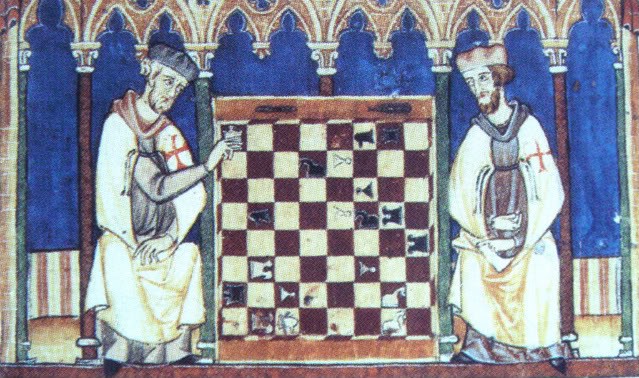
Историските ракописи им помагаат на студентите да го гледаат шахот како жив мост меѓу културата, јазикот, приказните и учењето.
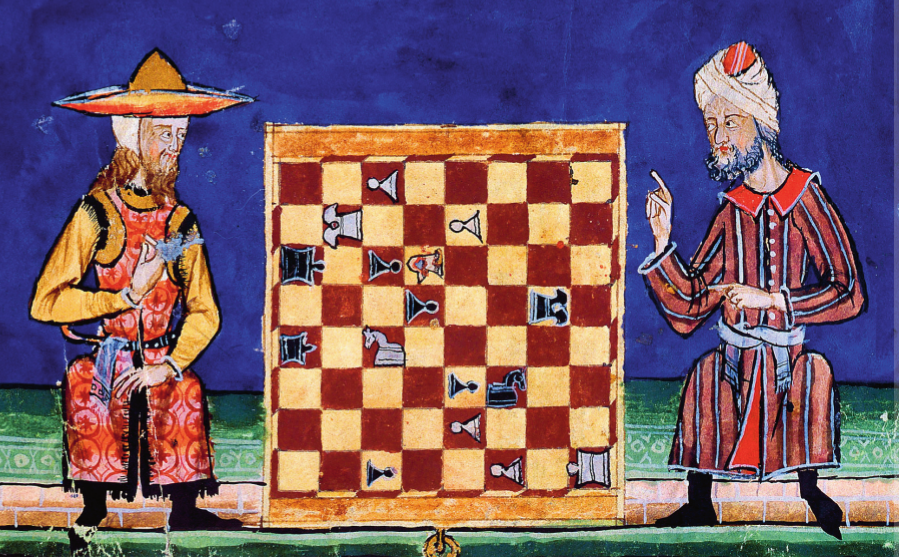
Шахот може да се предава како заедничко човечко наследство, а не само како натпреварувачка активност или тесен културен симбол.
Шаховската табла станува видлив систем за предавање алгоритми, пребарување, евалуација и интелигентен дизајн на софтвер.
DeepSeaChess е нашата основа за шах за рано детство и основно образование. Таа беше создадена врз основа на директно искуство во училница со млади ученици и беше пилотирана во Фондациските училишта на Истанбулскиот технички универзитет, каде што шахот беше воведен како задолжителна наставна активност за учениците од прво и второ одделение.
Многу училишта нудат шах како изборен клуб. Нашето искуство покажува дека шахот може да се дизајнира и како структурирана програма за учење во рамките на училишниот ден, со јасни образовни резултати, материјали соодветни на возраста, поддршка од наставниците и модерен наставен план.
Современа задолжителна програма за шах не треба само да ги учи децата како се движат фигурите. Таа треба да ја поддржува концентрацијата, работната меморија, просторното расудување, препознавањето на шеми, почитното играње, чекањето на ред, училишните рутини, самодовербата, љубопитноста, раното математичко размислување и социјално-емоционалното учење.
DeepSeaChess исто така поддржува културно инклузивно и повеќејазично учење шах. Имињата на шаховските фигури, приказните, координите на таблата, јазикот во училницата и визуелните материјали можат да им помогнат на децата да го поврзат расудувањето со вокабулар, симболи, наследство и комуникација.
Дознајте повеќе за наставната програма DeepSeaChess
Шахот може да ги открие и зајакне различните димензии на учењето на учениците. Силна училишна шаховска програма не треба да го мери успехот само според турнирските резултати. Таа треба исто така да набљудува како учениците расудуваат, објаснуваат, соработуваат, упорно се трудат, се сеќаваат на шеми, управуваат со емоциите и пренесуваат идеи во нови ситуации.
Shatranj.ai и DeepSeaChess можат да ги поддржат резултатите од учењето во повеќе области:
Shatranj.ai ја учи вештачката интелигенција преку алгоритми што студентите можат да ги видат, тестираат, дебагираат и објаснат. Шахот и историските друштвени игри ги прават апстрактните концепти на вештачката интелигенција конкретни, бидејќи секоја позиција има состојба, секој потег ја менува состојбата и секој алгоритам остава трага што може да се испита.
Наставната програма започнува со претставување на таблата и генерирање на законски потези, а потоа постепено се движи кон пребарување, евалуација, динамичко програмирање, учење со засилување и самоиграње во стилот на AlphaZero. На овој начин студентите се претвораат од играчи во архитекти на вештачка интелигенција.
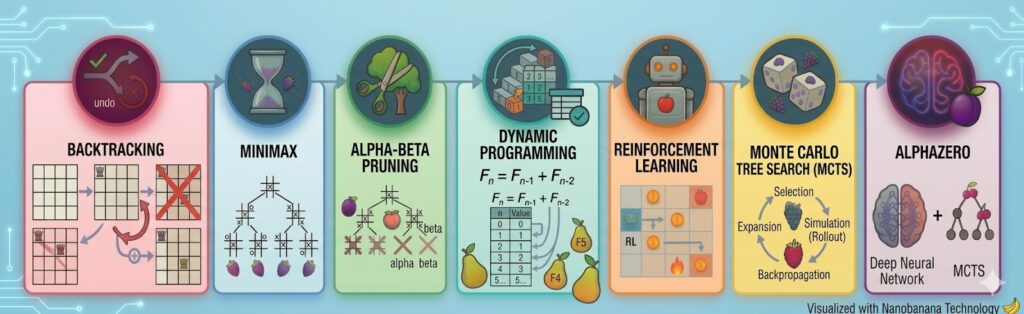
Shatranj.ai ги учи алгоритмите на вештачката интелигенција како развоен пат: од загатки и пребарување до учење преку засилување, Монте Карло дрво-пребарување и системи во стилот на AlphaZero.
Оваа алгоритамска низа не е претставена како изолирана теорија од компјутерски науки. Се предава преку културната и интелектуалната историја на игрите: антички загатки, средновековен шатрандж, позиции од ракописи, модерни шаховски мотори и современи системи за вештачка интелигенција.
Централна идеја на Shatranj.ai е дека студентите треба да станат креатори, а не само корисници. Нашиот документ, Од играчи до вештачки интелект архитекти: Користејќи ја испреплетената историја на шахот и вештачката интелигенција за да ја подучиме иднината на компјутерството, објаснува како шахот и историските друштвени игри можат да им помогнат на студентите да го разберат вештачкото интелигенција одвнатре.
Целта не е само дигитална писменост за вештачка интелигенција во смисла на свесност или одговорна употреба. Целта е да им помогнеме на студентите да се стремат да станат архитекти на вештачка интелигенција: млади луѓе кои разбираат како интелигентните системи се претставуваат, дизајнираат, тестираат, усовршуваат и објаснуваат.
Преку шах, шатрандж и историски друштвени игри, учениците можат да проучуваат алгоритми за пребарување, евалуација, рекурзија, сечење, динамичко програмирање, учење со засилување, самоигра и еволуцијата на шаховските енџини од раната симболична вештачка интелигенција до современите системи како Stockfish и AlphaZero.
Шахот е еден од најјасните мостови помеѓу човечката стратегија и машинската интелигенција. Таблата им дава на студентите визуелен систем каде што можат да ги проучуваат координатите, состојбите, законските потези, дрвјата на пребарување, евалуацијата, планирањето, повратната информација и учењето.
Во Shatranj.ai, студентите не само што слушаат дека постои вештачка интелигенција. Тие ги проучуваат идеите зад шаховскиот софтвер и интелигентните агенти. Тие учат како програма ја претставува таблата, генерира легални потези, ги оценува позициите, ги пребарува идните можности, ги споредува кандидатите за потези и се подобрува преку податоци и повратни информации.
Истражете ја наставната програма на Shatranj.ai • Посетете ја платформата за учење Shatranj.ai
Shatranj.ai се гради во истиот отворен образовен дух како и претходните европски проекти за шах во образованието, додека го проширува моделот кон мултидисциплинарно учење, културно наследство, алгоритми за вештачка интелигенција и размислување на шаховски мотори.
CASTLE, “Наставна програма по шах за унапредување на размислувањето и вештините за учење кај учениците во основното образование’, покажа како шах може да стане педагошка алатка водена од наставникот во основните училишта.
CHAMPS, “Шах и математика во основно училиште”, разви вежби по шах и математика кои користат табла, фигури, мрежи, логика, геометрија, комбинаторика и решавање проблеми.
8 by 8 истражува стратегиски игри на 8×8 табла, вклучувајќи едноставни лудички активности и училишни игри кои им помагаат на децата да откријат шаблони и стратегии.
ADHD & Шах / Шах4ADHD претставува уште еден важен правец во инклузивното шах-образование: користење на шахот како едукативен и терапевтски ресурс за ученици со АДХД, аутизам, Аспергер и други посебни образовни потреби.
Проектот е поврзан со едукативниот шаховски екосистем "Вилалба и Мадрид" и нагласува прилагодени вежби, мали групи, семејства, внимание, меморија, планирање, донесување одлуки, мотивација и избегнување непотребен натпреварувачки стрес.
Овие проекти ја покажуваат вредноста на шахот, шаховските табли, стратешките игри, математиката, обуката на наставници, имплементацијата во училиштата, инклузијата и посебните образовни потреби. Shatranj.ai се надоврзува на оваа образовна традиција, додавајќи поголем фокус на алгоритми за вештачка интелигенција, историски друштвени игри, инклузивен дизајн, културно наследство, интердисциплинарен наставни план и создавање од страна на учениците.
Shatranj.art го проширува шахот во образованието надвор од работниот лист во училницата. Тоа е културна и едукативна изложба за еволуцијата на шаховските сетови, фигурите, правилата, терминологијата и историските друштвени игри.
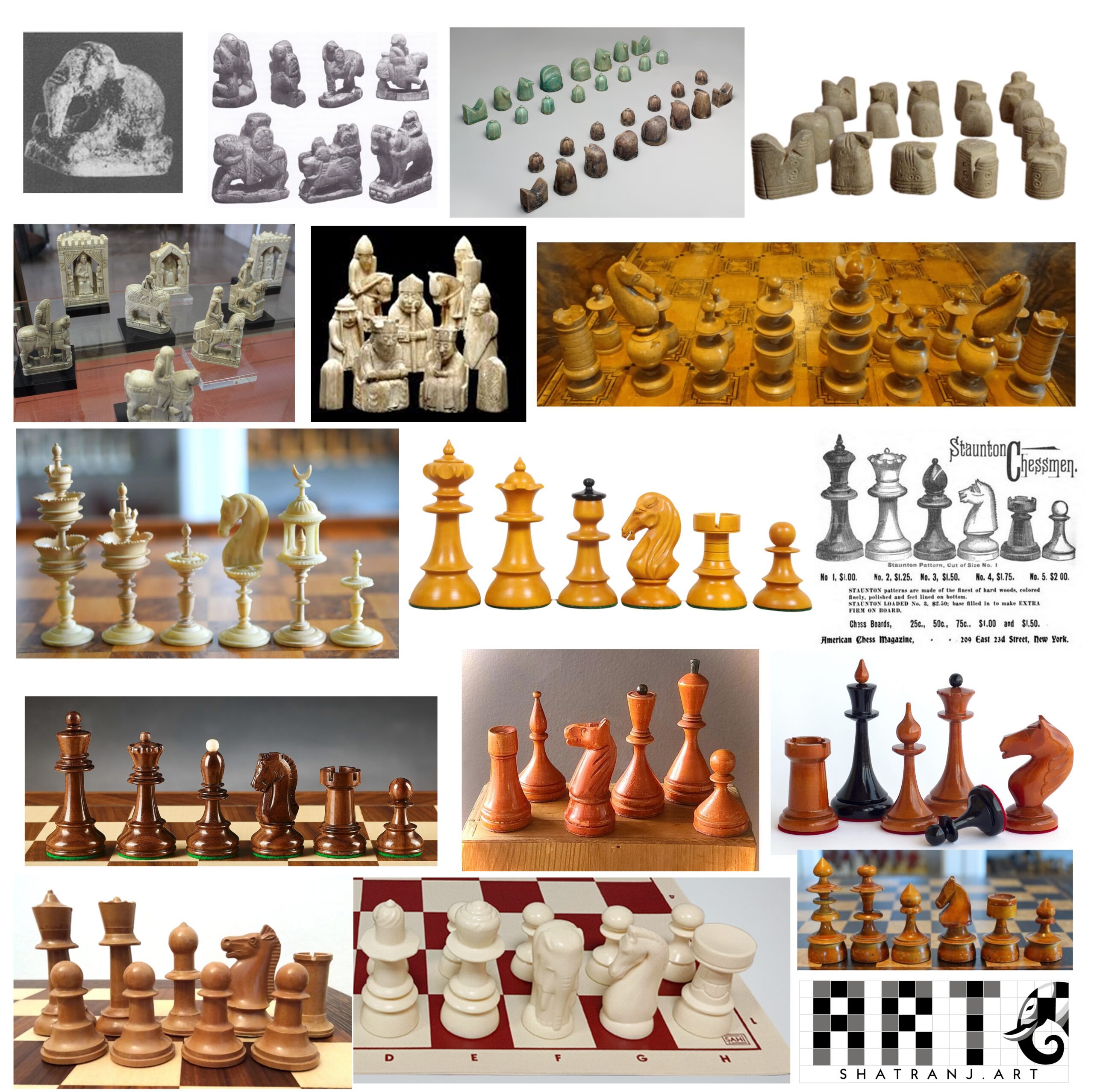
Shatranj.art претставува инклузивни дизајни на шаховски сетови од историјата, заедно со едукативните дизајни на шаховски сетови од проектот Shatranj.ai, помагајќи им на училиштата да го предаваат шахот како заедничко културно наследство.
Изложбата е наменета за училишта, музеи, библиотеки, културни институции, младински програми и дигитални наставно-училни искуства. Таа им помага на учениците да го согледаат шахот не само како спорт, туку и како патување низ јазици, цивилизации, ракописи, уметност, наука и дизајн.
Изложбата исто така ја поддржува инклузивната шах-едукација, покажувајќи дека шахот има многу визуелни традиции, многу историски форми и многу културни домови. Ова им помага на студентите да го разберат шахот како заедничко човечко наследство, а не како сопственост на една култура или еден натпреварувачки пат.
Нашата образовна филозофија се одразува и во физичкиот дизајн. Шаховскиот сет ŞAHÎ е историски инспириран и културно инклузивен шаховски сет што го слави глобалното патување на шахот низ цивилизациите.
Сетот го поврзува модерниот шаховски покер со шатранџ, историските имиња на фигурите, ракописни традиции, визуелна симболика и инклузивно образовно раскажување. Тој може да поддржи демонстрации во училница, изложби, работилници, културни програми и иницијативи за училишен шах кои сакаат да го претстават шахот како заедничко наследство, наместо како тесен културен симбол.
Дознајте повеќе за шаховскиот сет Шахи
Дијамантот на Сули е еден од најсилните примери на нашата образовна метода. Тој ги поврзува историската шатранд-загатка со анализа на завршницата, динамичко програмирање, табеларни бази, верификација со вештачка интелигенција и зачувување на интелектуалното наследство.
Во училница или работилница, Дијамантот на Сули може да стане лекција за историја, математичко расудување, компјутерско пребарување, простори на состојби, докажување преку пресметување и односот помеѓу човечкото согледување и машинската анализа.
Истражете го дијамантот на Сули • Погледнете ја документарната лекција "Дијамантот на Сули"
Моделот Shatranj.ai за шах во образованието ги поврзува комплементарните иницијативи: Shatranj.ai за развој на алгоритми за вештачка интелигенција и наставни програми, DeepSeaChess за имплементација на шах во раното детство и во основното образование, Shatranj.art за едукација за културно наследство, ŞAHÎ за инклузивен дизајн на шах-комплет и Shatranj International за непрофитна соработка околу културно инклузивни историски игри на размислување.
Ова им овозможува на училиштата и министерствата поширок пат за имплементација отколку стандардниот шаховски клуб. Училиштето може да започне со шаховска настава за почетни одделенија преку DeepSeaChess, да се прошири кон инклузивното шаховско наследство и училишни изложби преку Shatranj.art, а подоцна да воведе алгоритми за вештачка интелигенција, размислување со шаховски мотори и историско пресметување на друштвени игри преку Shatranj.ai.
Шатрањ Интернешнл ја поддржува пошироката непрофитна мисија: промовирање на шатрањ, историски шаховски варијанти, културно инклузивни шаховски сетови, историски игри на ум и едукативни иницијативи кои ги зачувуваат овие игри како заедничко човечко интелектуално и културно наследство.
Фондацијата за детски шах на Бостон е дел од поширокиот напор во Бостон да го направи образованието по шах попристапно за деца, семејства, училишта и заедници. Заедно, овие иницијативи можат да ги поддржат училишните програми по шах, младинските работилници, инклузивните турнири, обуката на наставници, активностите финансирани од донатори и едукативните шаховски настани во Бостон и пошироко.
Дознајте повеќе: Наставна програма за DeepSeaChess • Шатранџ Интернешнл • Шатранџ.аи
Училиштата и министерствата имаат потреба од повеќе од ентузијазам за шах. Тие имаат потреба од јасни резултати, практични модели за имплементација, поддршка од наставниците и дизајн на наставната програма заснован на докази.
Нашиот модел за шах во образованието може да се прилагоди според резултати како што се:
Shatranj.ai е заинтересирана да им помогне на училиштата и на образовните системи да преминат од изолирани шаховски активности кон структурирани програми за шах во образованието.
Можеме да ги поддржиме институциите кои сакаат да дизајнираат или да модернизираат:
Нашата цел е да им помогнеме на училиштата да го воведат шахот на најмодерен можен начин: инклузивно, соодветно на возраста, културно значајно, повеќејазично, технолошки релевантно и поврзано со мерливи резултати од учењето.
Shatranj.ai е дизајниран за институции кои сакаат да го применат шахот во образованието на подлабоко ниво од стандардниот шаховски клуб. Нашиот модел може да поддржи училишни шаховски програми, пилот-проекти со алгоритми за вештачка интелигенција, STEAM збогатување, недели на културно наследство, интердисциплинарен дизајн на наставни програми, работилници за наставници и програми за иновации на учениците.
Добредојдена е соработката со училишта, министерства за образование, училишни шаховски федерации, меѓународни образовни мрежи, универзитети, општини и организации за млади кои сакаат да го поврзат шахот со современите резултати од учењето.
Дознајте повеќе за Годината на шахот во образованието 2026 на ФИДЕ и ИСЦФ
Shatranj.ai, Shatranj International, DeepSeaChess, Shatranj.art и Boston Children's Chess Foundation формираат практичен екосистем за модерна работа со шах во образованието: наставна програма, примена во раното детство, културно наследство, образование за вештачка интелигенција, непрофитен ангажман и пристап за заедницата.
Донаторите и граѓанските партнери можат да поддржат наставна програма со отворен пристап, задолжителни или училишни шахматни програми, младински работилници, обука за наставници, инклузивни шахматни фестивали, развој на изложби, културно инклузивен пристап до шахматни сетови, работилници за алгоритми со вештачка интелигенција и активности за досегнување до занемарени заедници.
Целта не е само да се создадат посилни шахисти. Целта е да се создадат ученици со поголема самодоверба, подобри решавачи на проблеми, студенти културно свесни, повеќејазични мислители и млади луѓе кои можат да ја разберат и обликуваат интелигентната технологија.
Добредојдени се разговорите со донатори, фондации, граѓански лидери, училишни окрузи, универзитети, општини и партнери од заедницата кои сакаат да ја поддржат едукацијата по шах во Бостон и на меѓународно ниво.
Пристапот на Shatranj.ai е обликуван од искуството во шаховско образование, технологија, вештачка интелигенција, дизајн на наставни програми, стратегија за производи и меѓународни образовни проекти.
Работата ја води Тамер Каратекин, технолог обучен на МИТ, поранешен турски национален шампион во шах, едукатор по шах и дизајнер на наставни програми. Неговата позадина вклучува програмата MITx MicroMasters по податоци, економија и дизајн на политики, како и соработка со водечки професори и научници од областа на компјутерските науки, економијата, образованието и историјата на науката.
Оваа комбинација му овозможува на Shatranj.ai да пристапи кон шахот во образованието не само како проблем за шаховска обука, туку и како предизвик во дизајнот на наставната програма, технологијата, еднаквоста, културата, повеќејазичното учење и јавната политика.
Шахот во образованието станува глобално движење. Додека училиштата и образовните системи бараат практични начини за подучување на решавање проблеми, дигитална писменост, писменост за вештачка интелигенција, компјутерско размислување, повеќејазично учење, социо-емоционален развој и воспитување на карактер, шахот нуди ретка комбинација на едноставност, длабочина, историја и универзална привлечност.
Но иднината на шахот во образованието треба да биде инклузивна. Таа треба да ја почитува натпреварувачката извонредност, а истовремено да ги пречекува учениците кои се поврзуваат со шахот преку култура, уметност, програмирање, историја, јазик, дизајн, раскажување приказни, социјално учење или љубопитност.
Shatranj.ai придонесува кон оваа иднина со поврзување на шах во основното образование, вештачка интелигенција, размислување на шаховски мотор, културно наследство, историски друштвени игри, наставна програма со отворен пристап и имплементација прилагодена на училиштата.
Добредојдени се разговори со училишта, министерства, фондации, непрофитни организации, општини, шаховски федерации, културни институции, образовни лидери и донатори заинтересирани за спроведување инклузивни програми за шах во образованието.
Шахот во образованието значи користење на шахот како наставна алатка за решавање проблеми, планирање, концентрација, математичко размислување, културно наследство, социјално-емоционално учење, повеќејазично учење, компјутерско размислување и дигитални вештини.
Обична училишна шаховска програма често се фокусира на учење на правилата, подобрување на играта и подготовка за турнири. Shatranj.ai оди чекор понатаму, поврзувајќи го шахот со алгоритми за вештачка интелигенција, програмирање, културно наследство, историски друштвени игри, инклузивен дизајн, повеќејазично учење, воспитување на карактер и STEAM образование.
Не. Shatranj.ai е дизајниран за широк спектар на ученици. Учениците не мора да бидат експерти во шах за да имаат корист од лекции за логика, стратегија, програмирање, култура, дизајн, јазик, социјално-емоционално учење и вештачка интелигенција.
Да. Нашето искуство со DeepSeaChess вклучува училиштен пилот-проект каде што шахот беше воведен како задолжителна активност за учениците од прво и второ одделение. Shatranj.ai се надградува врз оваа основа, поврзувајќи го раното учење шах со модерен дизајн на наставната програма, STEAM образование, повеќејазично учење, културно наследство и образование за вештачка интелигенција.
Шахот може да им помогне на учениците да вежбаат предвидување, претпазливост, истрајност, праведност, почит, трпение и рефлексија. Ова ја поврзува современата шах-едукација со долга традиција која вклучува есеј на Бенџамин Френклин. Моралот на шахот, прилагодувајќи ги тие идеи за инклузивни современи училници.
Shatranj.ai воведува претставување на таблата, генерирање на легални потези, ретроспективно трагање, DFS, BFS, Единствено пребарување со трошоци, A*, minimax, expectiminimax, алфа-бета сечење, динамичко програмирање, учење со засилување, Q-учење, длабоки Q-мрежи, Монте Карло роутаути, Монте Карло пребарување на дрво и самоиграње во стилот на AlphaZero.
Шахот им помага на студентите да го разберат вештачкото интелигенција, бидејќи многу важни идеи од областа на вештачкото интелигенција можат да се демонстрираат преку шах: претставување на таблата, генерирање на легални потези, дрвја за пребарување, функции за евалуација, алгоритми, учење преку засилување, самоигра и донесување одлуки во неизвесност.
Тоа значи дека учениците не треба само да користат алатки со вештачка интелигенција или да играат игри. Тие треба да научат како се дизајнираат интелигентни системи. Преку шах и историски друштвени игри, учениците можат да проучат како софтверот ја претставува играта, ги пребарува можните идни потези, ги оценува изборите, учи од податоци и се подобрува со текот на времето.
Историските друштвени игри им покажуваат на учениците дека интелигенцијата, стратегијата, дизајнот и пресметувањето имаат длабоки културни корени. Тие исто така го прават образованието по шах поинклузивно, поврзувајќи ја играта со многу јазици, цивилизации, ракописи и традиции.
Shatranj.ai се гради во истиот отворен образовен дух како проектите CASTLE, CHAMPS, 8 by 8 и инклузивните шаховски иницијативи како ADHD & Chess. Тие проекти помогнаа да се покаже образовната вредност на шахот, математиката, стратешките игри, обуката на наставници, посебните образовни потреби и примената во училницата. Shatranj.ai ја продолжува оваа традиција кон културното наследство, интердисциплинарната наставна програма, алгоритмите на вештачката интелигенција, размислувањето на шаховски мотори и креативноста на учениците.
Да. Училиштата можат да ги користат материјалите на Shatranj.ai во училници, клубови, работилници, воннаставни програми, STEAM активности, обуки за наставници, настани за културно наследство, повеќејазични програми за учење и интердисциплинарни проекти.
Да. Донатори и фондации можат да поддржат наставни програми со отворен пристап, задолжителни училишни шаховски програми, младински работилници, обука за наставници, културни изложби, инклузивни шаховски материјали, програми со вештачка интелигенција и непрофитни иницијативи за шаховско образование поврзани со Shatranj.ai, Shatranj International, DeepSeaChess, Shatranj.art и Boston Children's Chess Foundation.